
CHRISTOPHER COLUMBUS WORLD
THE AGE OF DISCOVERIES
Porto Santo, Madeira, Portugal
Christopher Columbus World is set to become an extraordinary cultural landmark on Porto Santo, Madeira, Portugal, designed as a global hub for discovery, exploration, and sugar cane and rum heritage, combining bold architecture, immersive experiences, and innovative exhibitions in one exceptional destination – a legacy to Christopher Columbus and his connection with Madeira and Porto Santo, and The Age of Discoveries. The Portuguese Empire represents one of the most extraordinary examples of a maritime empire in world history.
Portugal has changed the course of world history, crossed oceans, connected continents and built a global cultural and linguistic heritage. The Portuguese Empire represents one of the most extraordinary examples of a maritime empire in world history.
The Vision
Christopher Columbus World will be an iconic cultural monument on Porto Santo, Madeira and Portugal, celebrating Columbus, The Age of Discoveries and the heritage of rum, and Portugal’s change of the course of world history. Designed as an architectural masterpiece, ColumbusWorld will stand alongside the planned Christopher Columbus 1477 Distillery (2027-28) Home – ChristopherColumbusDistillery.com, creating a dual attraction of international significance.
The Age of Discoveries must be studied rigorously, without embarrassment or attempts to rewrite the past according to the ideological conveniences of the present and future.
The Portuguese Empire represents one of the most extraordinary examples of a maritime empire in world history. Its expansion, which began in the fifteenth century, not only marked the beginning of the European Age of Discoveries but also defined a new imperial model based on the control of trade routes, strategic ports, and coastal cities across Africa, Asia, and the Americas.
The rise of the Portuguese monarchy, particularly under Prince Henry the Navigator in the fifteenth century, proved decisive. The Portuguese court invested heavily in cartography, shipbuilding, and navigational studies, transforming Portugal into a pioneering centre for maritime exploration. This geographical position, combined with political ambition and commercial incentives, laid the foundations for an empire built on the control of sea routes rather than territorial conquest.
The discovery of the Cape of Good Hope by Bartolomeu Dias in 1488 and Vasco da Gama’s voyage to India in 1498 opened new spice trade routes. These achievements solidified Portugal’s position as a global maritime power capable of competing with Europe’s major commercial and strategic rivals.
Therefore, the Christopher Columbus World Museum should also cover fields such as nautical studies, shipbuilding, cartography, astronomy, and science, as well as trade routes, diplomacy, evangelisation, contacts between peoples, and the spread of the Portuguese language.
Portugal has changed the course of world history, crossed oceans, connected continents and built a global cultural and linguistic heritage. It is therefore incomprehensible that Portugal still has no major national museum capable of telling this epic story on the scale it deserves.”
Portugal and Madeira have an extraordinary heritage, millions of visitors and an unparalleled history. Portugal should not be ashamed of its own history. Portugal needs to embrace, preserve and pass on to new generations what the Portuguese have achieved and the impact they have had on the world.
Christopher Columbus World will have the scientific and museological programme developed with “historical rigour and scientific research, avoiding interpretations shaped by contemporary ideological agendas.
Beyond trade, the Portuguese Empire spread language, religion, and cultural practices. Catholic missionaries accompanied fleets, establishing churches, schools, and religious communities. The Portuguese language took root across vast regions, creating enduring cultural legacies still visible in Brazil, Africa, and Asia.
The Experience
Visitors will embark on an interactive journey through the Age of Discovery and the world of rum:
- Immersive Museum & Exhibitions – Columbus’s voyages brought to life with holographics, cinema, artefacts. With extensive studies of Nautical studies, shipbuilding, cartography, astronomy and science, as well as trade routes, diplomacy, and contacts between peoples,
- Auditorium & Cultural Venue – for conferences, plays, concerts, and dance.
- Heritage, The Age of Discoveries, Sugar Cane & Rum Centre – exploring rum’s role across five continents, ending with a guided tasting.
- Hospitality Spaces – restaurant, bars, reading room, and library inspired by exploration.
Architecture
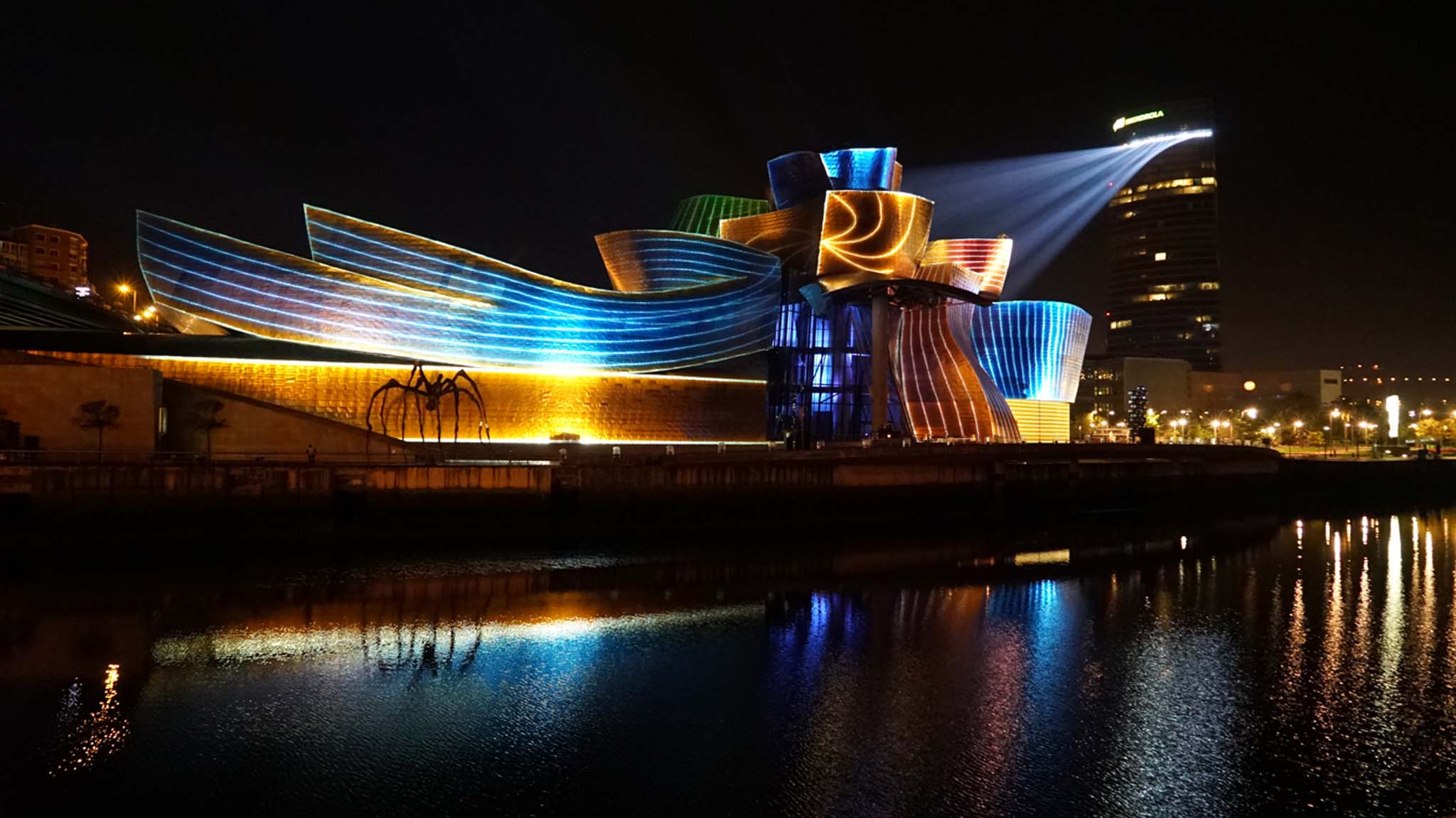
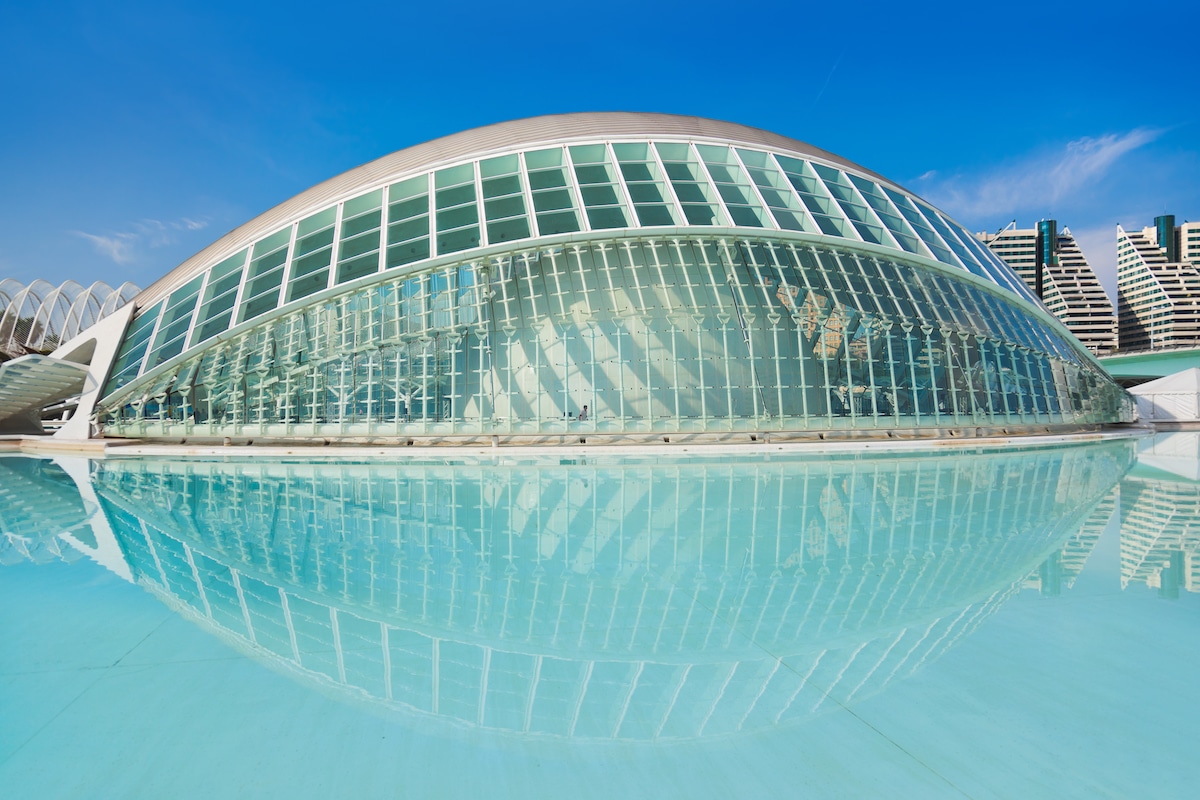
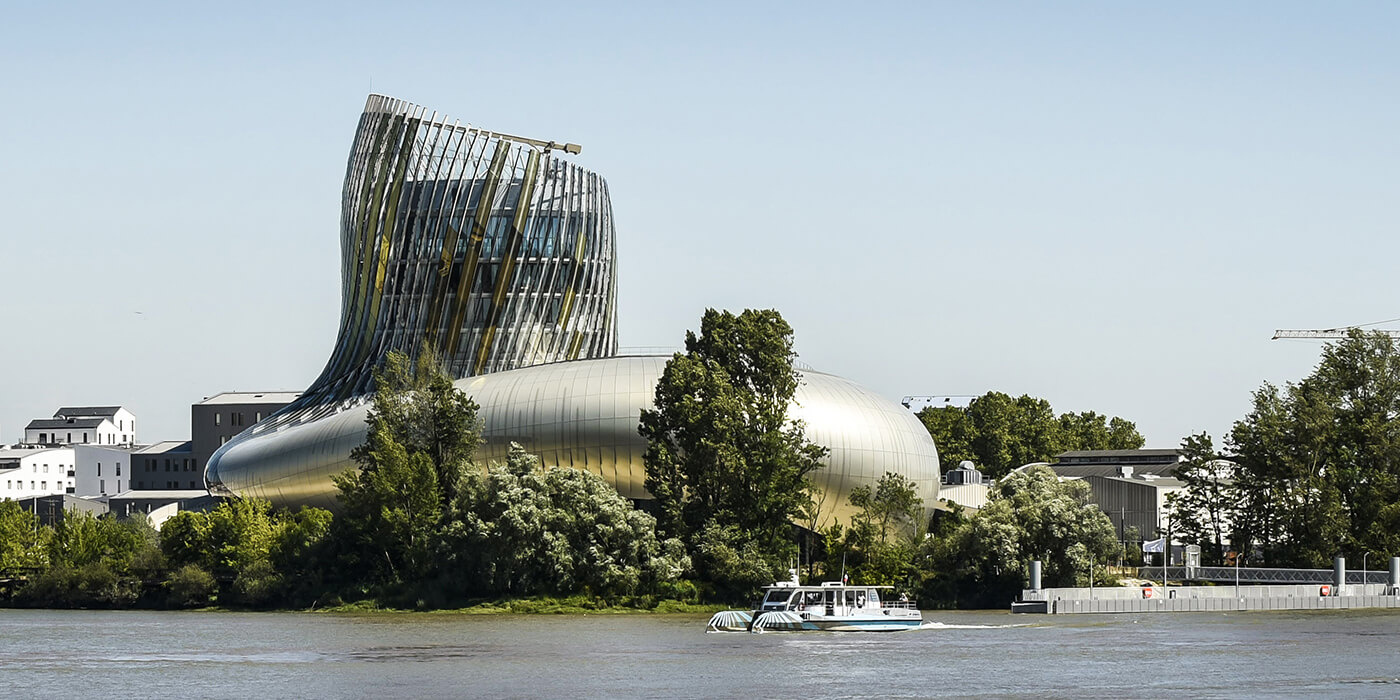
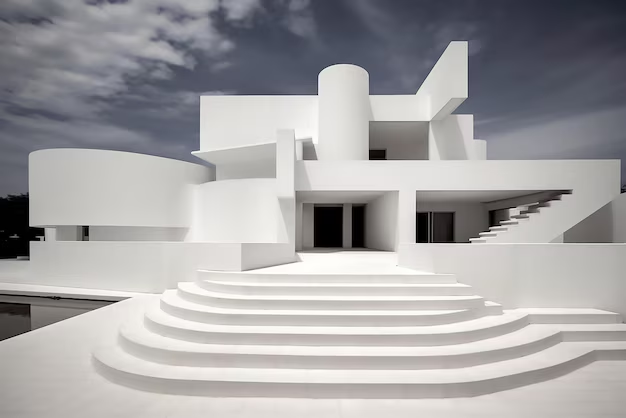
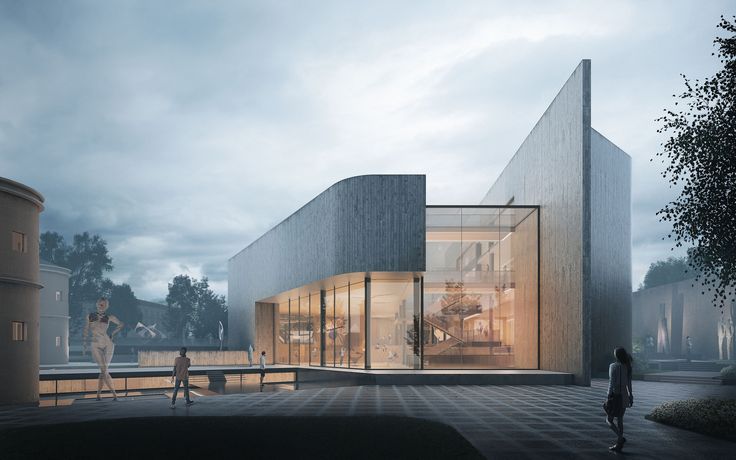
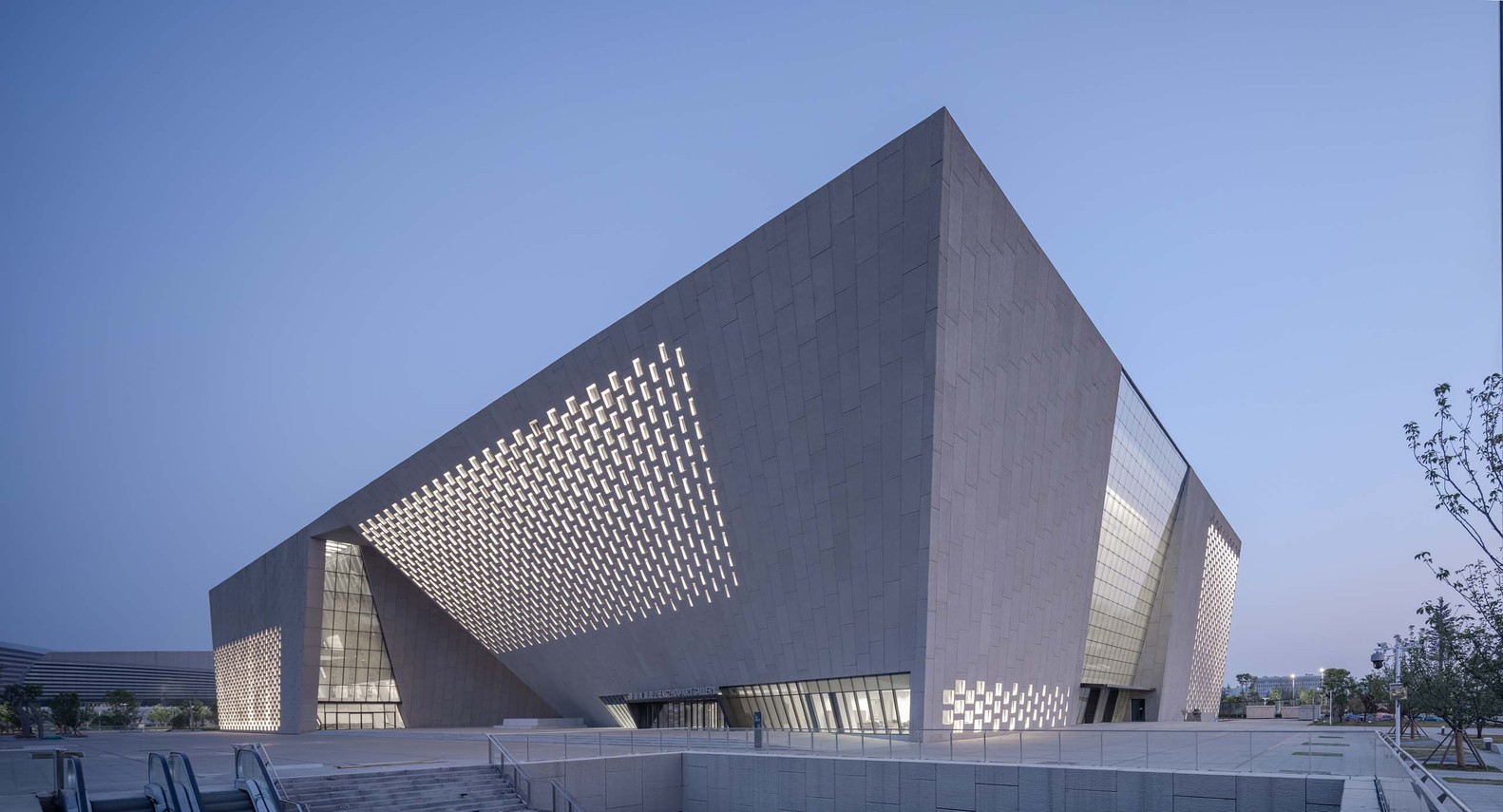
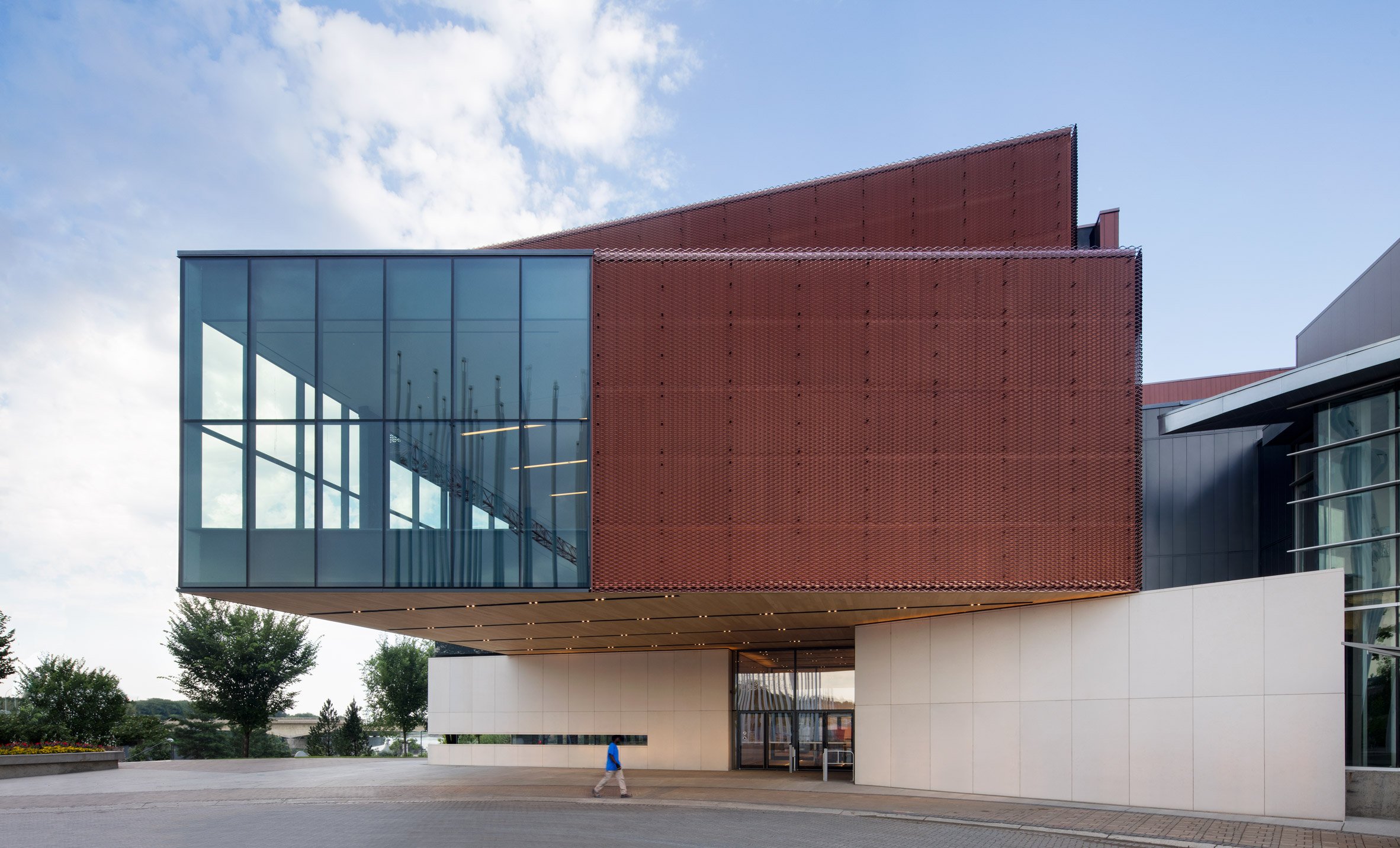
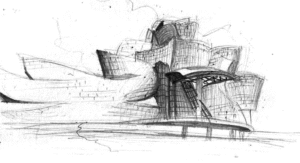
An international design competition will deliver a landmark building on the scale of the Guggenheim Bilbao (pictured on the left) or La Cité du Vin. This competition will be governed by the International Union of Architects’ rules. The architecture will evoke Columbus’s courage, the ocean’s power, and the soul of rum.
Foundation & Structure
Operated by the Christopher Columbus World Foundation (CCWF), a non-profit cultural body:
- Eligible for public and private grants, patronage, and corporate sponsorship.
- Independent of the 1477CC distillery, while benefiting from synergies in tourism and branding.
Why Porto Santo?
The island currently lacks major year-round attractions. ColumbusWorld will:
- Attract hundreds of thousands of cruise and cultural visitors annually. With one-day cruise ship visits (currently, few cruise ships visit the island vs. Madeira)
- Extend the tourism season beyond beach and golf.
- Position Porto Santo as a global cultural destination.
Why Porto Santo is ideal for both the distillery and CCW.
Nearly 400 cruise ships now arrive at the Port of Funchal, yet there is no distillery to visit, and no museum dedicated to Christopher Columbus, sugar cane, or rum.
For cruise passengers docking in Funchal, visiting a distillery in Calheta or Santa Cruz takes at least an hour each way, meaning a significant portion of their time is lost in transit.
By contrast, in Porto Santo, visitors can disembark from a cruise ship and reach the distillery within minutes. This convenience is a major advantage. Furthermore, once the CCW is built, it will be located close to the harbour and marina, making it easily accessible.
With plans for a Columbus Bar next to the beach, visitors will be able to spend the day enjoying local rum—much like the beach bars of Jamaica or Barbados—while swimming and relaxing on what is widely considered one of Europe’s finest beaches.
Porto Santo is perfectly positioned to benefit from both the distillery and the CCW.
Next Steps
- Secure stage one funding for the building and core facilities.
- Launch an architectural competition with global architects.
- Expand ChristopherColumbus.world to promote Columbus’s Madeira, The Age of Discoveries connections and rum heritage.
Conclusion
Christopher Columbus World will be a masterpiece of architecture and culture, uniting history, discovery, and rum. Together with the 1477CC distillery, it will redefine Porto Santo’s identity and attract worldwide attention.
Columbus World
A Monument to The Age of Discoveries, Christopher Columbus, Portuguese Culture, and Rum Heritage
We intend to create an extraordinary monument on the island of Porto Santo: ColumbusWorld. This landmark will be more than a building; it will be an architectural masterpiece and cultural destination, celebrating Christopher Columbus, Madeira, and rum.
A future museum should cover fields, apart from the above, as nautical studies, shipbuilding, cartography, astronomy and science, as well as trade routes, diplomacy, evangelisation, contacts between peoples, and the spread of the Portuguese language.
Portugal has changed the course of world history, crossed oceans, connected continents and built a global cultural and linguistic heritage. It is therefore incomprehensible that Portugal still has no major national museum capable of telling this epic story on the scale it deserves.
Portugal and Madeira have an extraordinary heritage, millions of visitors and an unparalleled history. Portugal should not be ashamed of its own history.
Portugal needs to embrace, preserve and pass on to new generations what the Portuguese have achieved and the impact they have had on the world.
It further proposes that the scientific and museological programme be developed with historical rigour and scientific research, avoiding interpretations shaped by contemporary ideological agendas.
The Age of Discoveries must be studied rigorously, without embarrassment or attempts to rewrite the past according to the ideological conveniences of the present.
Positioned alongside the planned Christopher Columbus 1477 Distillery (launching in 2028), ColumbusWorld will become a defining attraction for Porto Santo and Madeira, drawing global visitors and enriching the island’s cultural identity.
Vision & Purpose
Columbus World will be a living cultural hub:
- A Monument for Porto Santo – an iconic structure with bold, contemporary architecture that reflects the courage of discovery, the power of the ocean, and the spirit of rum.
- A Centre for Knowledge & Experience – with an auditorium for conferences, seminars, and workshops; spaces for permanent and temporary exhibitions; and interactive displays powered by the latest technology.
- A Cultural Stage – hosting concerts, theatre, dance, film, and immersive performances around the theme of great discoveries.
- A Celebration of Rum & Madeira – culminating in tastings of the finest rums in the world, linking Columbus’s voyages with the heritage of sugar cane and rum-making.
Experiences & Attractions
Visitors will embark on a journey through history, culture, and taste:
- Interactive Museum: Columbus’s journeys, seamanship, and the Age of Discovery, brought to life through multimedia, holographs, and cinematic storytelling.
- Exhibitions & Collections: Priceless artefacts, restored and presented with refined layouts, detailed captions, and immersive technology.
- Reading Room & Cinema: Dedicated to exploration, discovery, and Columbus’s legacy.
- Concerts, Plays, and Dance Shows: Making ColumbusWorld a cultural venue year-round.
- Restaurant, Bars & Library: Offering world-class hospitality with themes inspired by exploration and rum.
ColumbusWorld will be a place where symbolism meets design: sugar cane forms, the swirl of rum in a glass, and bold architectural curves that evoke ships on stormy seas – “seamless, round, intangible, and sensual.”
Architecture & Design
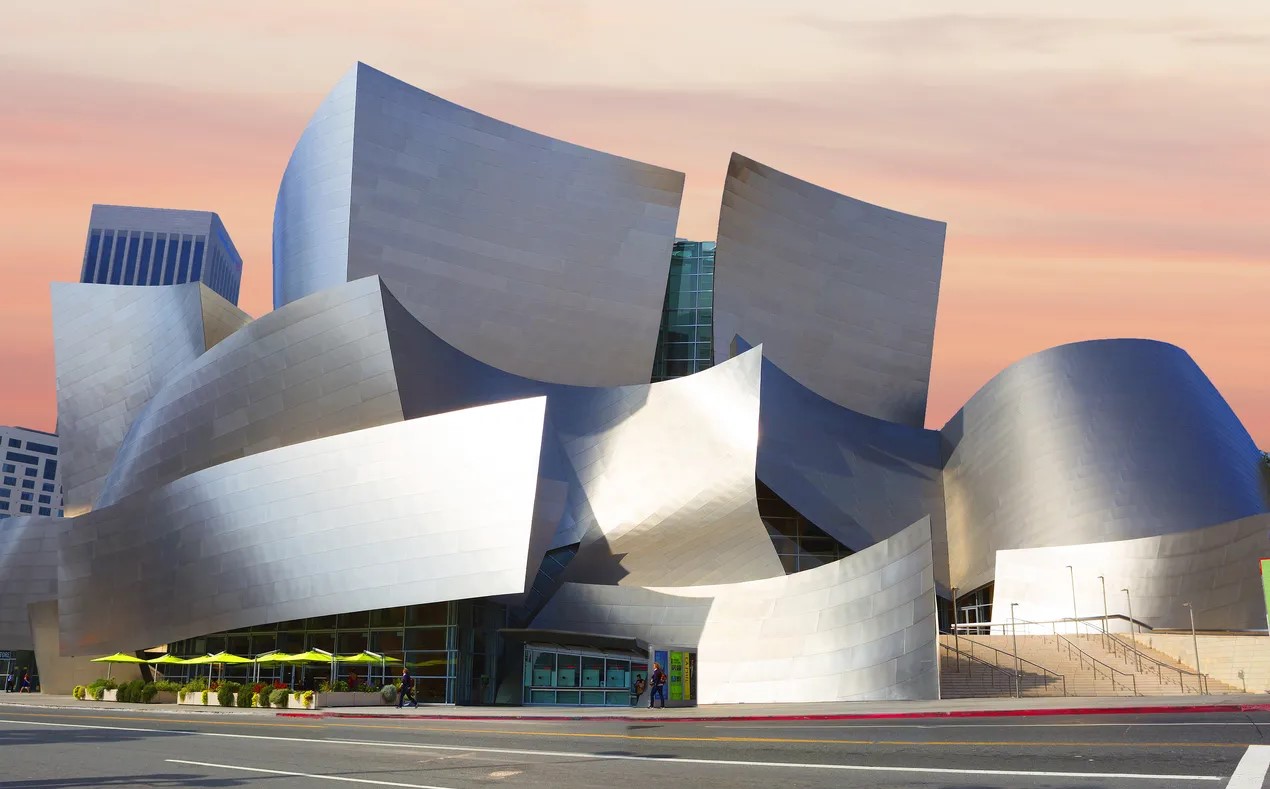
To create a global landmark, we will launch an international architecture competition, seeking a design that rivals icons such as:
- The Guggenheim Bilbao, which attracted over 1.5 million visitors in 2020. (see image above on the left)
- La Cité du Vin, Bordeaux’s wine museum.
- The Walt Disney Concert Hall, Los Angeles. (see image above on the left)
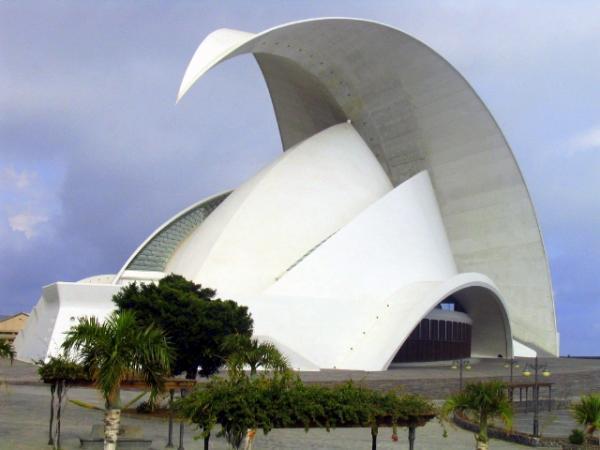
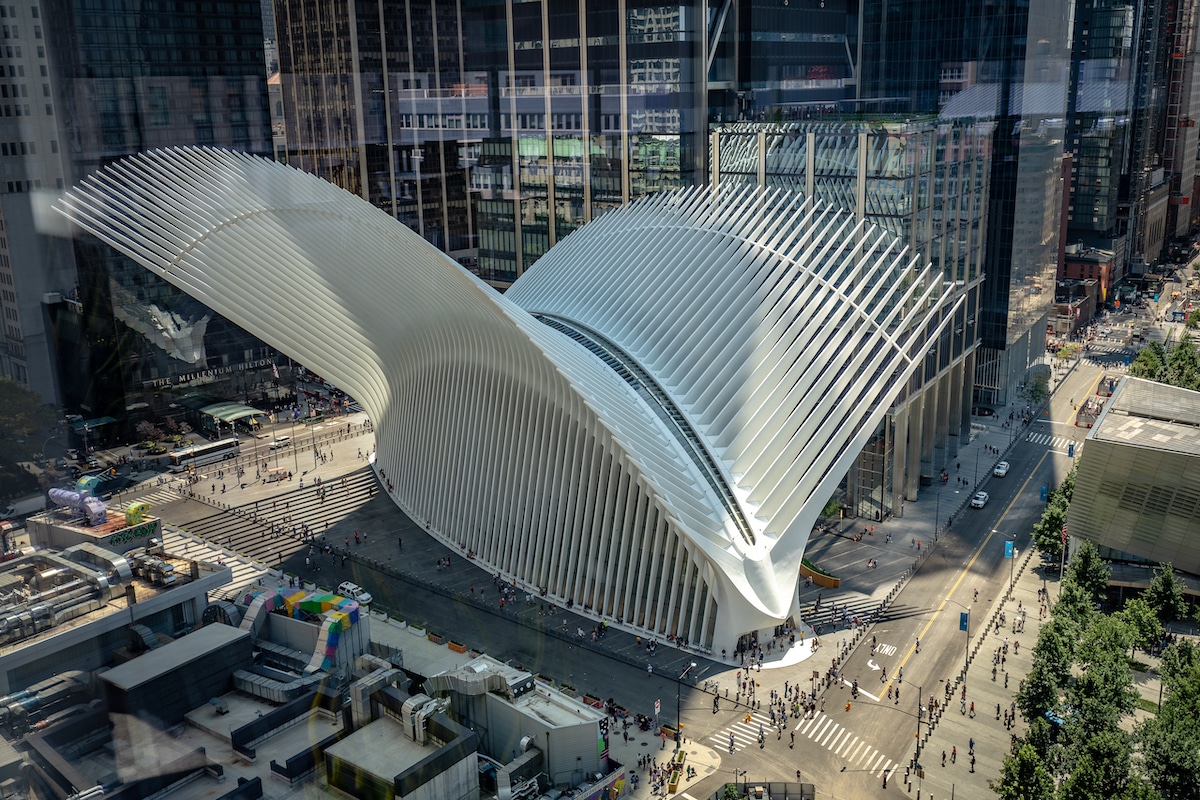
Architects to be considered include Bjarke Ingels Group (BIG | Bjarke Ingels Group) Álvaro Siza, (Álvaro Leite Siza | Architect web site), Santiago Calatrava (Home – Santiago Calatrava – Architects & Engineers), Jeanne Gang (Projects – Studio Gang), and Ben van Berkel, (Projects by UNS | Iconic Designs and Global Projects) but it will be an open competition according to the International Conventions.
The result will be a signature building – bold, recognisable, and deeply connected to Columbus, Madeira, and rum.
Foundation & Structure
The Christopher Columbus World Foundation (CCWF), a non-profit and charitable organisation, will own and operate ColumbusWorld, ensuring:
- Independence from the distillery (1477CC), allowing it to seek grants, donations, and patronage.
- Tax advantages for donors and corporate sponsors.
- A sustainable patronage model, inspired by institutions such as the Royal Academy of Arts in London.
ColumbusWorld will thus stand as both a cultural landmark and an economic driver, with potential synergies from the neighbouring distillery.
Rum: A Universal Heritage
Rum is more than a spirit; it is a cultural, historic, and symbolic heritage, linking continents and centuries. At ColumbusWorld, visitors will:
- Explore rum’s evolution from the Middle Ages to the present across five continents.
- Discover its role in shaping societies, traditions, and territories.
- Experience interactive, multisensory exhibits that combine education with pleasure.
- Conclude with a glass of rum (or grape juice) at the distillery, celebrating conviviality and sharing.
The Rum Heritage Centre within ColumbusWorld will defend, promote, and pass on this heritage – not as a static museum, but as an innovative, engaging, and living space that strengthens cultural tourism and connects Porto Santo to the world.
Why Porto Santo?
Today, Porto Santo offers little beyond its beaches, golf, and spas during the off-season. ColumbusWorld will change that by:
- Providing a year-round cultural attraction.
- Serving as a major draw for cruise ships, with day trips bringing hundreds of thousands of visitors annually.
- Positioning Porto Santo as a global destination for discovery and rum culture.
- Why Porto Santo is ideal for both the distillery and CCW.
Nearly 400 cruise ships now arrive at the Port of Funchal, yet there is no distillery to visit, and no museum dedicated to Christopher Columbus, The Age of Discoveries, sugar cane, or rum.
For cruise passengers docking in Funchal, visiting a distillery in Calheta or Santa Cruz takes at least an hour each way, meaning a significant portion of their time is lost in transit.
By contrast, in Porto Santo, visitors can disembark from a cruise ship and reach the distillery within minutes. This convenience is a major advantage. Furthermore, once the CCW is built, it will be located close to the harbour and marina, making it easily accessible.
With plans for a Columbus Bar next to the beach, visitors will be able to spend the day enjoying local rum—much like the beach bars of Jamaica or Barbados—while swimming and relaxing on what is widely considered one of Europe’s finest beaches.
Porto Santo is perfectly positioned to benefit from both the distillery and the CCW.
Next Steps
- Stage One Funding: Dedicated to the construction of the ColumbusWorld building and initial infrastructure.
- Architectural Competition: To deliver a building as iconic as the Guggenheim Bilbao or La Cité du Vin.
- Website Expansion (ChristopherColumbus.world): Highlighting new research that Columbus may have been born in Madeira, and that he carried rum and sugar cane to the Caribbean – stories central to both ColumbusWorld and the 1477CC distillery.
Conclusion
Columbus World will be a masterpiece of architecture and culture, uniting history, exploration, and rum heritage. Together with the 1477CC distillery, it will place Porto Santo on the world map as a destination of discovery, education, and pleasure – a true legacy of Columbus.
Who will be interested in the ColumbusWorld
- The local community in Porto Santo
- The local government
- Tourists visiting the island
- Hotels and restaurants on the island
- The Ferry company (sailing 6 days a week)
- Airport & T.A.P. (for large planes)
- Travel companies
- Event organisers
- Madeira’s government
- The State of Portugal
Cruise ship tourism
Whereas Cruise ship tourism in Madeira saw record passengers in 2025, only very few cruise ships go to Porto Santo. This could change with the ColumbusWorld and the Rum Heritage Museum.
Cruise tourism in Madeira reached a historic milestone in 2025, with more than a million passengers passing through the region’s ports.
In total, more than one million people, including passengers and crew, passed through the cruise terminal of the Port of Funchal.
“It was a remarkable year. For the first time, we reached the historic mark of one million plus cruise passengers, which had a multiplier effect on the Madeiran economic fabric, impacting commerce, restaurants, tourist entertainment companies and many other services”, said Paula Cabaço, chairman of the board of directors of APRAM, also highlighting the increase in the number of overnight stays on ships in the Port of Funchal.
“With more time in port, cruise tourists have more opportunities to explore the city, resulting in a positive impact on the local economy, especially in the areas of catering, commerce, and cultural and leisure activities,” added Paula Cabaço.
© 2018-2026 Christopher Columbus World® | All Rights Reserved